
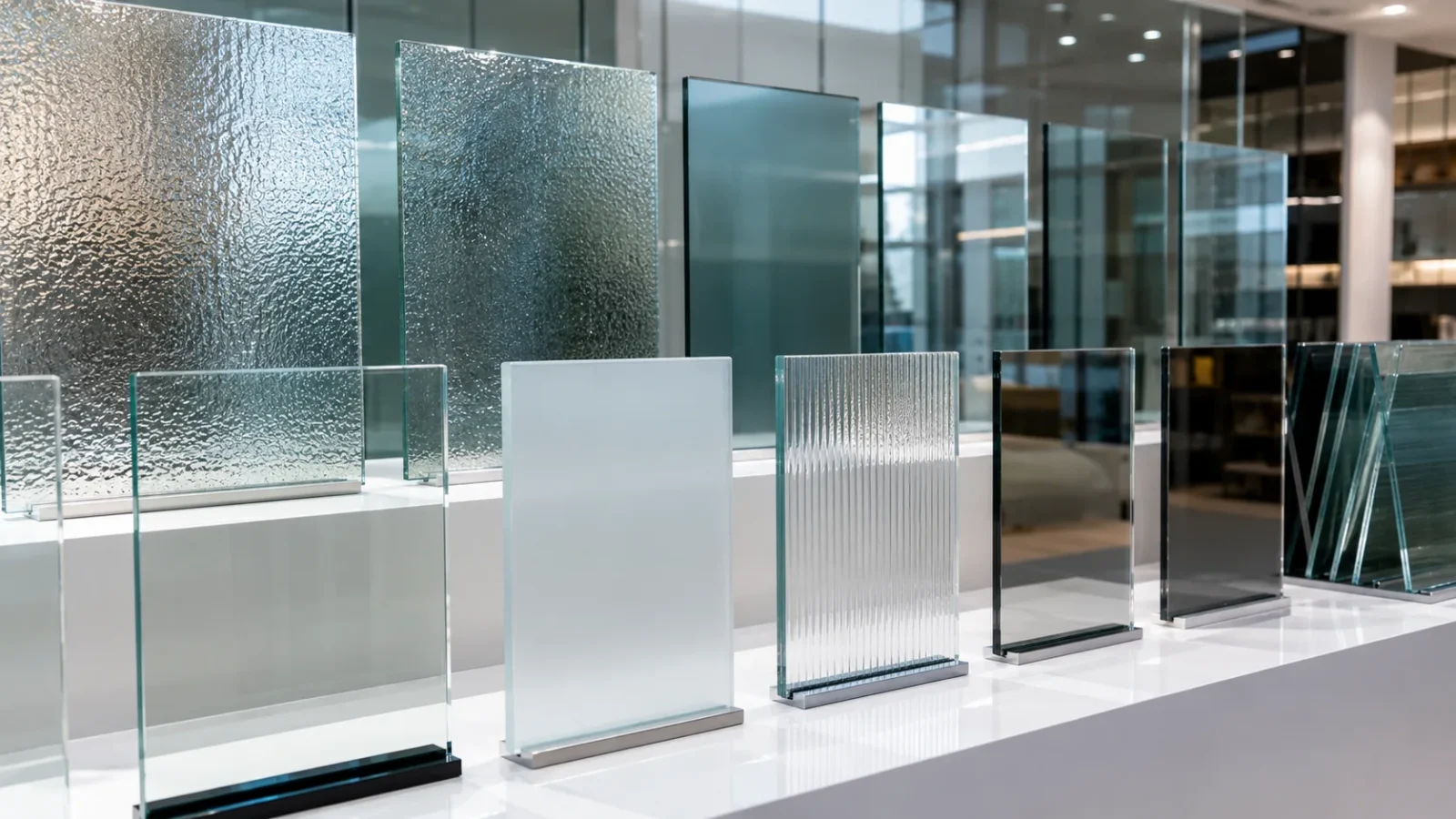
Architectural glass is glass used in buildings, facades, windows, doors, partitions, railings, shower enclosures, skylights, canopies, interiors, furniture, and decorative projects. For international buyers, choosing the right architectural glass affects safety, energy performance, appearance, privacy, installation, and long-term project value.
Architectural glass is not limited to clear window glass. It can include tempered glass, laminated glass, insulated glass, Low-E glass, reflective glass, frosted glass, acid etched glass, patterned glass, fluted glass, reeded glass, mirror glass, curved glass, and custom fabricated glass.
What Is Architectural Glass?
Architectural glass refers to glass products used for building construction and interior design. It can provide transparency, natural light, safety, thermal insulation, solar control, acoustic control, privacy, decoration, and structural support depending on the glass type and processing method.
In modern buildings, architectural glass is used not only for windows but also for curtain walls, shopfronts, office partitions, railings, staircases, shower rooms, doors, furniture, and decorative wall panels.
Main Types of Architectural Glass
Common types of architectural glass include:
- Float glass: Basic flat glass used as the foundation for many processed glass products.
- Tempered glass: Safety glass used for doors, partitions, shower glass, tabletops, and commercial glazing.
- Laminated glass: Glass with an interlayer for safety, sound control, security, and post-breakage retention.
- Insulated glass: Multi-pane glass units used for windows, facades, and curtain walls.
- Low-E glass: Coated glass used to improve energy performance.
- Reflective glass: Coated glass used for solar control and exterior appearance.
- Frosted glass: Privacy glass used for bathrooms, partitions, doors, and windows.
- Acid etched glass: Decorative matte glass with a smooth translucent surface.
- Patterned glass: Textured glass, including fluted glass, reeded glass, and obscure glass.
- Mirror glass: Used for bathrooms, interiors, furniture, and decorative walls.
Architectural Glass for Facades and Curtain Walls
Facade glass and curtain wall glass require a balance of safety, appearance, solar control, thermal performance, and structural compatibility. Common options include tempered glass, laminated glass, tempered laminated glass, insulated glass units, Low-E glass, and reflective glass.
Low-E glass is widely used in architectural glass because it can help improve thermal insulation and solar control while allowing natural light into the building. For reference, Guardian Glass explains how Low-E glass coatings contribute to energy efficiency and building performance.
Architectural Glass for Windows and Doors
Window glass and door glass should be selected according to safety, insulation, transparency, privacy, and climate requirements. Common choices include clear float glass, tempered glass, laminated glass, insulated glass, Low-E insulated glass, tinted glass, reflective glass, and frosted glass.
For commercial buildings, insulated Low-E glass is often used to improve thermal performance. For doors and impact-prone areas, tempered glass or laminated safety glass may be required.
Architectural Glass for Interior Design
Interior architectural glass is used for office partitions, glass walls, decorative doors, shelves, tabletops, staircases, cabinet doors, and wall cladding. Popular interior glass options include clear tempered glass, frosted glass, acid etched glass, patterned glass, fluted glass, reeded glass, mirror glass, and laminated decorative glass.
Privacy glass is especially useful for meeting rooms, bathrooms, hotel interiors, office partitions, and residential windows. Frosted glass and acid etched glass can provide privacy while still allowing light transmission.
Architectural Glass for Railings and Balustrades
Glass railings, balustrades, staircases, balconies, and pool fencing usually require safety glass. Tempered laminated glass is commonly selected because it combines strength with post-breakage retention.
Low iron glass can be used when the project requires higher clarity and reduced green tint, especially for premium railings, staircases, balconies, and pool fences.
How to Choose Architectural Glass
To choose the right architectural glass, buyers should confirm:
- Application: facade, window, door, shower, railing, partition, skylight, furniture, or interior decoration
- Glass type: tempered, laminated, insulated, Low-E, reflective, frosted, acid etched, patterned, or mirror glass
- Glass thickness and structure
- Safety and building code requirements
- Transparency, privacy, color, and surface finish
- Processing needs such as cutting, edging, drilling, holes, notches, or lamination
- Packaging, loading, and export delivery requirements
Barrett Limited Architectural Glass Supply
Barrett Limited supplies architectural glass and custom processed glass for building, decoration, facade, and interior projects. Our product range includes tempered glass, laminated glass, float glass, insulated glass, Low-E glass, reflective glass, frosted glass, acid etched glass, patterned glass, mirror glass, curved glass, and custom fabricated glass.
We support international buyers with custom sizes, processed edges, drilled holes, laminated structures, insulated glass units, privacy glass options, quality control, and export packaging.
FAQ About Architectural Glass
What is architectural glass used for?
Architectural glass is used for windows, doors, facades, curtain walls, partitions, railings, shower enclosures, skylights, canopies, furniture, and interior decoration.
What glass is best for building facades?
Facade projects often use tempered glass, laminated glass, insulated glass, Low-E glass, reflective glass, or tempered laminated glass depending on safety and energy requirements.
What architectural glass is used for privacy?
Frosted glass, acid etched glass, patterned glass, fluted glass, and reeded glass are commonly used for privacy and decoration.