
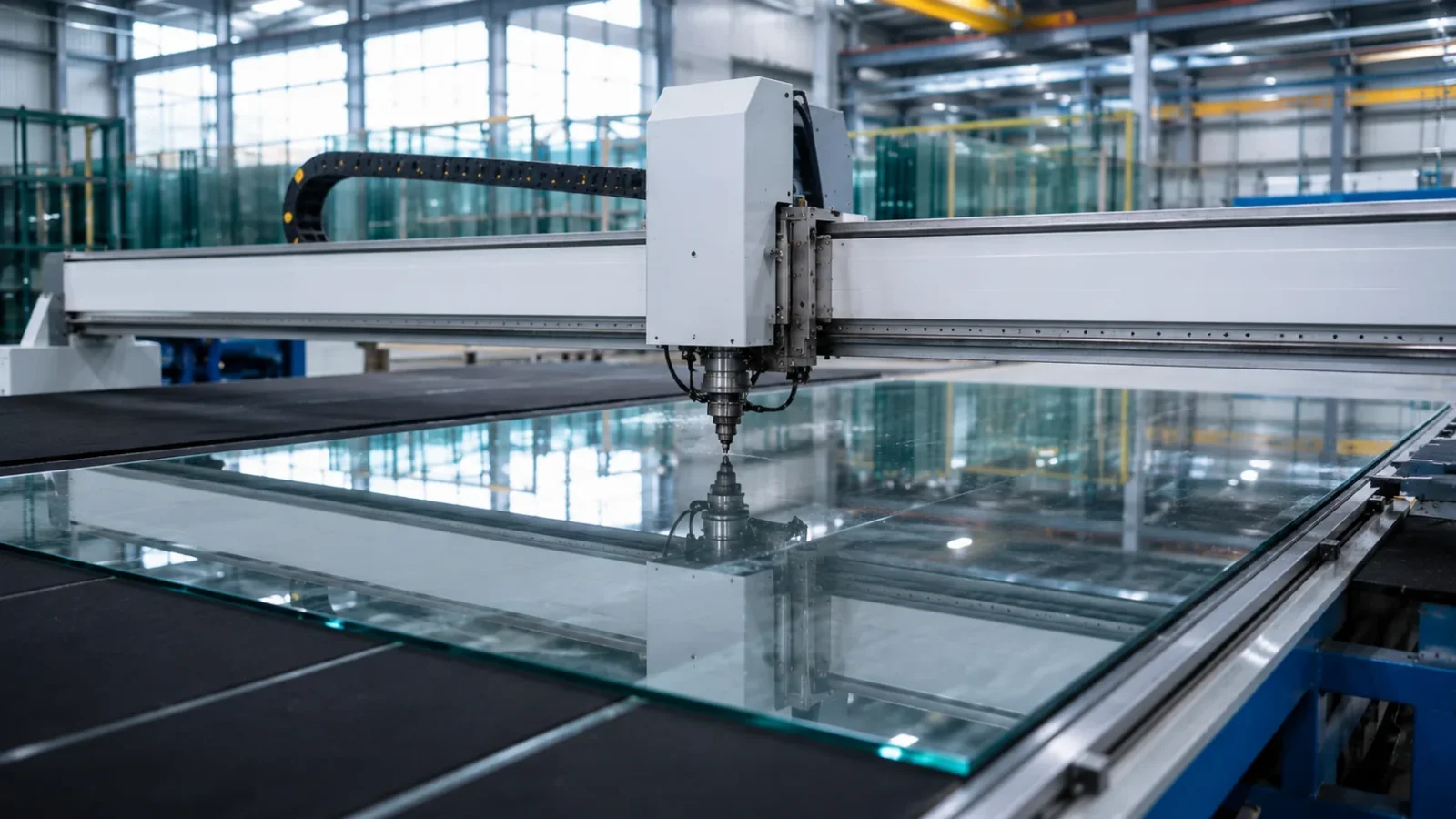
Glass cutting and edge processing are the first and most important steps in most architectural glass and decorative glass projects. Before glass is tempered, laminated, drilled, polished or assembled into insulated glass units, the glass sheet must be accurately cut to size and processed according to drawings, installation requirements and final application.
Barrett Limited provides custom glass cutting and edge processing support for architectural glass, furniture glass, decorative glass and safety glass projects. Our processed glass solutions can be used for tempered glass, laminated glass, low iron glass, patterned glass, mirror glass and other custom glass products.
What Is Glass Cutting and Edge Processing?
Glass cutting is the process of cutting flat glass sheets into the required size or shape according to project drawings. Edge processing refers to grinding, polishing, beveling or finishing the glass edges to improve safety, appearance and installation performance.
For many custom glass products, cutting and edge processing must be completed before further processing. For example, glass used for tempering must be cut, edged, drilled or notched before it enters the tempering furnace. Once glass has been tempered, it cannot be cut or drilled again.
Glass Cutting and Edge Processing Workflow
A stable glass cutting and edge processing workflow helps improve size accuracy, installation compatibility and final product quality.
- Drawing review: Confirm glass size, thickness, shape, tolerance, edge type, holes, notches and application requirements.
- Glass selection: Select suitable base glass such as clear float glass, low iron glass, patterned glass, mirror glass or coated glass.
- Cutting: Cut glass sheets into required sizes or shapes according to project drawings.
- Edge grinding: Grind glass edges to remove sharp edges and improve safety.
- Edge polishing: Polish exposed edges for better appearance and handling safety.
- Further processing: Proceed with drilling, notching, tempering, laminating, insulating or other processing when required.
- Inspection and packing: Check size, edge quality, surface condition and packing safety before shipment.
Common Glass Edge Types
Different glass applications require different edge finishes. The edge type should be selected according to whether the edge is exposed, hidden in a frame, frequently touched or used as a visible decorative part.
- Ground edge: Suitable for many framed glass applications where the edge is not highly visible.
- Polished edge: Suitable for exposed edges, furniture glass, table tops and decorative glass panels.
- Beveled edge: Often used for decorative glass, mirror glass and furniture glass.
- Arrised edge: Used to remove sharpness and improve handling safety.
- Custom edge processing: Used for project-specific glass panels, furniture glass and architectural glass details.
Suitable Glass Products
Glass cutting and edge processing can be used for many types of processed glass products. The correct cutting size and edge finish help improve later production quality and final installation performance.
- Tempered Glass requires cutting, edging and hole processing before tempering.
- Laminated Glass requires accurate glass size and edge alignment before lamination.
- Low Iron Glass is often used for premium projects requiring clear appearance and polished edges.
- Patterned Glass may require careful cutting according to pattern direction and visible surface.
- Mirror Glass often requires clean edge processing for furniture, decorative panels and interior use.
- Frosted Glass and Acid Etched Glass require attention to surface direction and visible side during processing.
Common Applications
Custom glass cutting and edge processing are used in many architectural, decorative and furniture glass applications. Accurate processing helps glass panels fit hardware, frames, furniture structures and project drawings.
- Custom Table Top Glass for dining tables, office desks, coffee tables and furniture projects
- Cabinet Glass Door Panels for kitchen cabinets, display cabinets and decorative furniture
- Glass Balustrade and Railing for balconies, stairs and railing systems
- Glass Pool Fencing for outdoor pool safety barriers
- Shower Glass Enclosures for bathroom doors and shower panels
- Office Glass Partitions for commercial interior partitions and meeting rooms
Key Processing Requirements
Before glass cutting and edge processing, the project details should be confirmed clearly. This is especially important for glass that will be tempered, laminated or installed with hardware.
| Processing Item | Cutting, sizing, edge grinding, edge polishing, beveling, shaping and preparation for further processing |
|---|---|
| Suitable Glass | Float glass, low iron glass, mirror glass, patterned glass, frosted glass, laminated glass and tempered glass before heat treatment |
| Important Details | Glass size, thickness, tolerance, edge type, corner radius, holes, notches, cut-outs and visible surface |
| Common Applications | Architectural glass, furniture glass, shower glass, railing glass, partition glass, cabinet glass and decorative panels |
| Project Information Needed | Drawings, glass type, size, thickness, edge finish, quantity, application, packing requirement and delivery schedule |
Glass Cutting Before Tempering
For tempered glass, cutting and edge processing must be completed before tempering. This includes size cutting, edge grinding, polishing, drilling, notching and special-shaped processing.
After tempering, glass cannot be cut, drilled or edge processed again. Therefore, all dimensions, holes, hardware positions and edge requirements should be confirmed before production. This is especially important for railing glass, shower glass, door glass and partition glass.
Edge Processing for Furniture and Decorative Glass
For furniture glass and decorative glass, edge quality directly affects both safety and appearance. Exposed edges are commonly polished to create a smooth and clean finish. This is important for table top glass, cabinet glass door panels, mirror glass, display glass and decorative interior panels.
When glass edges are visible or frequently touched, polished edge processing is usually recommended. For decorative mirror glass or furniture glass, bevel edge processing may also be selected to create a more refined appearance.
Custom Shape Glass Cutting
Some projects require glass panels in special shapes rather than standard rectangles. Custom shape glass cutting can be used for furniture, shelves, curved design areas, decorative panels and installation systems with special dimensions.
For custom-shaped glass, drawings or templates should be provided before production. Important details include corner radius, hole position, edge finish, glass thickness, application method and tolerance requirements.
Quality Control for Glass Cutting and Edge Processing
Quality control is important because cutting accuracy and edge quality affect later processing, installation and final appearance. Barrett Limited checks key details such as glass size, diagonal accuracy, edge finish, surface condition, corner quality, hole position and packing safety.
For project orders, labels can be applied according to drawings, room numbers, installation areas, product types or customer requirements. This helps reduce confusion during delivery and site installation.
Related Glass Processing Services
Glass cutting and edge processing are often combined with other glass processing steps. The following processing pages may also be useful for project planning:
- Glass Drilling and CNC Processing
- Tempered Glass Processing
- Laminated Glass Processing
- Insulated Glass Unit Manufacturing
- Glass Quality Control
Related Product Options
The following glass products commonly require cutting and edge processing before final production or installation:
Frequently Asked Questions
Can glass be cut after tempering?
No. Tempered glass cannot be cut, drilled or edge processed after tempering. All cutting, holes, notches and edge processing must be completed before the tempering process.
What edge finish is best for exposed glass edges?
Polished edge processing is commonly recommended for exposed glass edges because it improves safety, appearance and handling comfort. It is often used for table tops, shelves, doors and decorative glass panels.
Can you cut glass into custom shapes?
Yes. Glass can be cut into custom shapes according to drawings or templates. Important details include size, thickness, corner radius, edge finish, hole position and application requirements.
What information is needed for glass cutting?
Please provide glass size, thickness, glass type, edge finish, quantity, drawings, tolerance requirements, holes, notches, application and packing requirements.
Is edge processing necessary for all glass panels?
Edge processing is recommended for most processed glass panels. It improves handling safety and can be required before tempering, laminating, furniture assembly or visible installation.
Request Custom Glass Cutting and Edge Processing
If your project requires custom glass cutting or edge processing, send us your drawings, glass size, thickness, edge finish, quantity, application and packing requirements. Barrett Limited can help review the specifications and suggest suitable processing options for architectural glass, decorative glass, furniture glass and safety glass projects.