
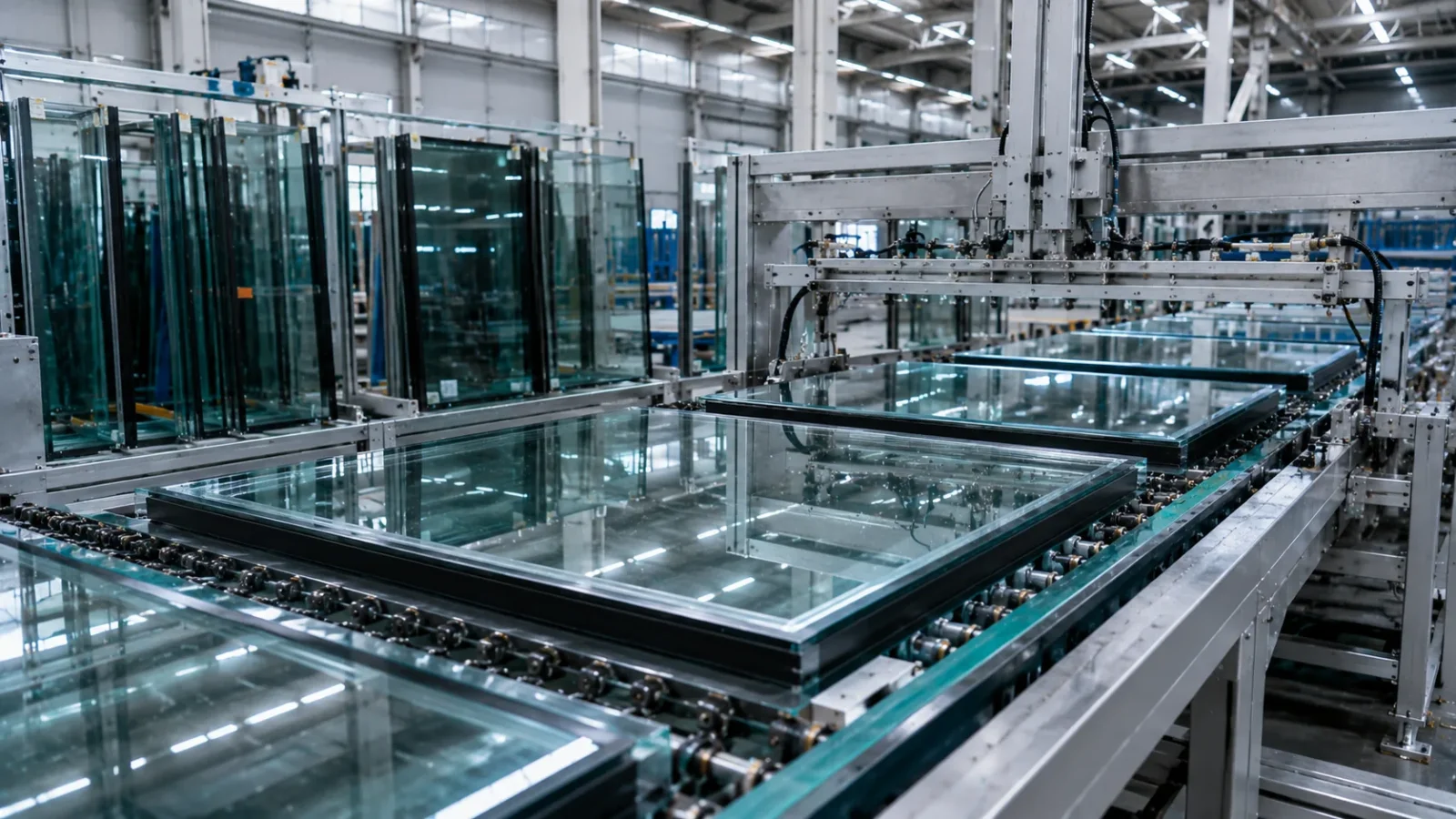
Insulated glass unit manufacturing is an important process for energy-efficient architectural glazing. An insulated glass unit, also known as IGU or double glazed unit, is made by combining two or more glass panes with a sealed air or gas-filled cavity. It is widely used in windows, curtain walls, facades, doors, skylights and building envelope systems.
Barrett Limited provides custom insulated glass manufacturing support for residential, commercial and architectural projects. Our insulated glass solutions can be combined with insulated glass, Low-E glass, reflective glass, tempered glass and laminated glass according to project performance requirements.
What Is Insulated Glass Unit Manufacturing?
Insulated glass unit manufacturing is the process of assembling two or more glass panes with spacers, desiccant, primary sealant and secondary sealant to form a sealed glazing unit. The cavity between the glass panes helps reduce heat transfer and improve thermal insulation.
Compared with single glass, insulated glass can improve building energy performance, indoor comfort and sound control. When combined with Low-E glass, reflective glass or laminated glass, it can also support solar control, safety, acoustic performance and facade appearance.
Insulated Glass Unit Manufacturing Workflow
A stable IGU manufacturing workflow is important for long-term sealing performance, visual quality and energy performance. The typical process includes glass preparation, washing, spacer assembly, sealing, gas filling and inspection.
- Project review: Confirm glass size, structure, thickness, spacer type, cavity width, coating position, gas filling and performance requirements.
- Glass cutting and processing: Cut glass to size and complete required edge processing, tempering or laminating before IGU assembly.
- Glass washing: Clean and dry the glass surface to remove dust, oil, particles and surface contamination.
- Spacer preparation: Prepare aluminum spacer, warm edge spacer or project-specified spacer with desiccant.
- Primary sealing: Apply butyl sealant to the spacer for initial sealing and moisture resistance.
- Glass assembly: Combine glass panes and spacer into the required insulated glass structure.
- Gas filling: Fill the cavity with air, argon or other specified gas when required.
- Secondary sealing: Apply secondary sealant to improve structural sealing and long-term durability.
- Inspection and packing: Check size, appearance, sealing quality, cavity thickness, labels and packing safety.
Common Insulated Glass Structures
Insulated glass units can be produced in different structures according to building performance requirements, frame systems and project specifications.
- Double glazing: Two glass panes with one sealed cavity, commonly used for windows and building glazing.
- Triple glazing: Three glass panes with two sealed cavities for higher thermal insulation requirements.
- Low-E insulated glass: Combines Low-E glass with IGU structure for improved energy performance.
- Tempered insulated glass: Uses tempered glass panes for strength and safety.
- Laminated insulated glass: Combines laminated glass with IGU for safety, acoustic control or security needs.
- Reflective insulated glass: Uses reflective glass for solar control and exterior facade appearance.
Suitable Glass Products
Insulated glass manufacturing can be combined with different architectural glass products. The correct combination depends on thermal insulation, solar control, safety, acoustic performance and appearance requirements.
- Insulated Glass for windows, doors, facades and curtain walls
- Low-E Glass for energy-efficient insulated glass units
- Reflective Glass for solar control and exterior building appearance
- Tempered Glass for strength and safety in IGU structures
- Laminated Glass for safety, acoustic control and post-breakage retention
- Low Iron Glass for premium glazing projects requiring clearer appearance
Common Applications
Insulated glass units are widely used in modern building projects where thermal insulation, daylighting, solar control and appearance are important.
- Architectural Window Glass for residential, commercial and public building windows
- Architectural Facade Glass and Curtain Wall Glass for building envelope systems
- Decorative Glass Door Panels for selected exterior and interior door systems
- Office Glass Partitions for acoustic and interior glazing requirements
- Skylights and roof glazing systems
- Hotel, apartment, office and commercial building glazing
Key Processing Requirements
Insulated glass manufacturing requires careful control of glass cleanliness, spacer assembly, coating position, cavity thickness, sealant quality, gas filling and final inspection. These details affect long-term sealing performance and energy efficiency.
| Processing Item | Glass cutting, washing, spacer assembly, butyl sealing, gas filling, secondary sealing, inspection and packing |
|---|---|
| Common Structures | Double glazing, triple glazing, Low-E IGU, tempered IGU, laminated IGU and reflective insulated glass |
| Important Details | Glass structure, cavity width, spacer type, sealant type, coating position, gas filling, dew point and visual quality |
| Common Applications | Windows, facades, curtain walls, doors, skylights, commercial buildings and residential glazing |
| Project Information Needed | Drawings, glass size, glass structure, coating requirement, spacer specification, gas filling, quantity and packing details |
Low-E Insulated Glass Units
Low-E glass is commonly used in insulated glass units to improve energy performance. Low-E coating helps control heat transfer through the glazing system, making it suitable for energy-efficient windows and facade projects.
For Low-E insulated glass units, coating position, glass orientation, spacer width and cavity structure should be confirmed before production. Correct coating position is important for thermal performance and long-term use.
Double Glazing and Triple Glazing
Double glazing is one of the most common insulated glass structures. It uses two glass panes with one sealed cavity and is widely used for residential windows, commercial windows and facade glazing.
Triple glazing uses three glass panes and two sealed cavities. It can be selected when higher thermal insulation or acoustic performance is required. The final choice depends on climate, building performance target, frame system and project budget.
Spacer, Butyl and Secondary Sealant
Spacer and sealant quality are important for insulated glass durability. The spacer maintains the cavity width, while desiccant helps absorb moisture inside the cavity. Butyl sealant provides the primary moisture barrier, and secondary sealant provides structural support and long-term sealing.
For curtain wall and facade applications, secondary sealant type should match the structural requirements and installation system. Proper sealing helps reduce condensation, fogging and premature IGU failure.
Gas Filling in Insulated Glass Units
Insulated glass units may be filled with air, argon or other specified gas depending on project requirements. Gas filling can improve thermal performance when combined with suitable glass structure, Low-E coating and cavity design.
For gas-filled insulated glass units, filling quality and sealing performance should be controlled carefully. The final performance also depends on frame system, installation quality and full building envelope design.
Tempered and Laminated IGU Options
Insulated glass units can be combined with tempered glass when higher strength and safety are required. Tempered IGU is commonly used for doors, windows, facades and areas where safety glass is specified.
Laminated glass can also be used in insulated glass units when acoustic control, post-breakage retention, security or safety performance is required. Laminated IGU is often selected for hotels, apartments, public buildings and busy urban areas.
Quality Control for Insulated Glass Manufacturing
Quality control for IGU manufacturing focuses on glass size, surface cleanliness, spacer position, butyl continuity, secondary seal quality, cavity thickness, coating position, gas filling, dew point, visual appearance and packing safety.
For project orders, every insulated glass unit should match the glass schedule, drawing number, installation area and project label. Clear labeling and packing sequence can help improve installation efficiency on construction sites.
Related Glass Processing Services
Insulated glass manufacturing is often combined with other glass processing steps. The following pages may also be useful for project planning:
- Glass Cutting and Edge Processing
- Tempered Glass Processing
- Laminated Glass Processing
- Low-E Coated Glass Processing
- Glass Quality Control
Related Product Options
The following glass products are commonly related to insulated glass unit manufacturing:
Frequently Asked Questions
What is insulated glass unit manufacturing?
Insulated glass unit manufacturing is the process of assembling two or more glass panes with spacer, desiccant and sealants to create a sealed air or gas-filled cavity for improved thermal insulation.
What is the difference between double glazing and insulated glass?
Double glazing is a common type of insulated glass unit made with two glass panes and one sealed cavity. Insulated glass can also include triple glazing or other multi-pane structures.
Can Low-E glass be used in insulated glass units?
Yes. Low-E glass is commonly used in insulated glass units to improve energy performance. Coating position and glass orientation should be confirmed before production.
Can insulated glass include tempered or laminated glass?
Yes. Insulated glass units can include tempered glass, laminated glass, Low-E glass, reflective glass or other glass types according to safety, acoustic, thermal and appearance requirements.
What information is needed for IGU production?
Please provide drawings, glass size, glass structure, thickness, spacer width, coating requirement, gas filling requirement, quantity, application and packing details.
Request Custom Insulated Glass Unit Manufacturing
If your project requires custom insulated glass units, send us your drawings, glass size, structure, thickness, coating requirement, spacer specification, gas filling requirement and packing details. Barrett Limited can help review the specifications and suggest suitable insulated glass options for windows, facades, curtain walls and architectural glazing projects.