
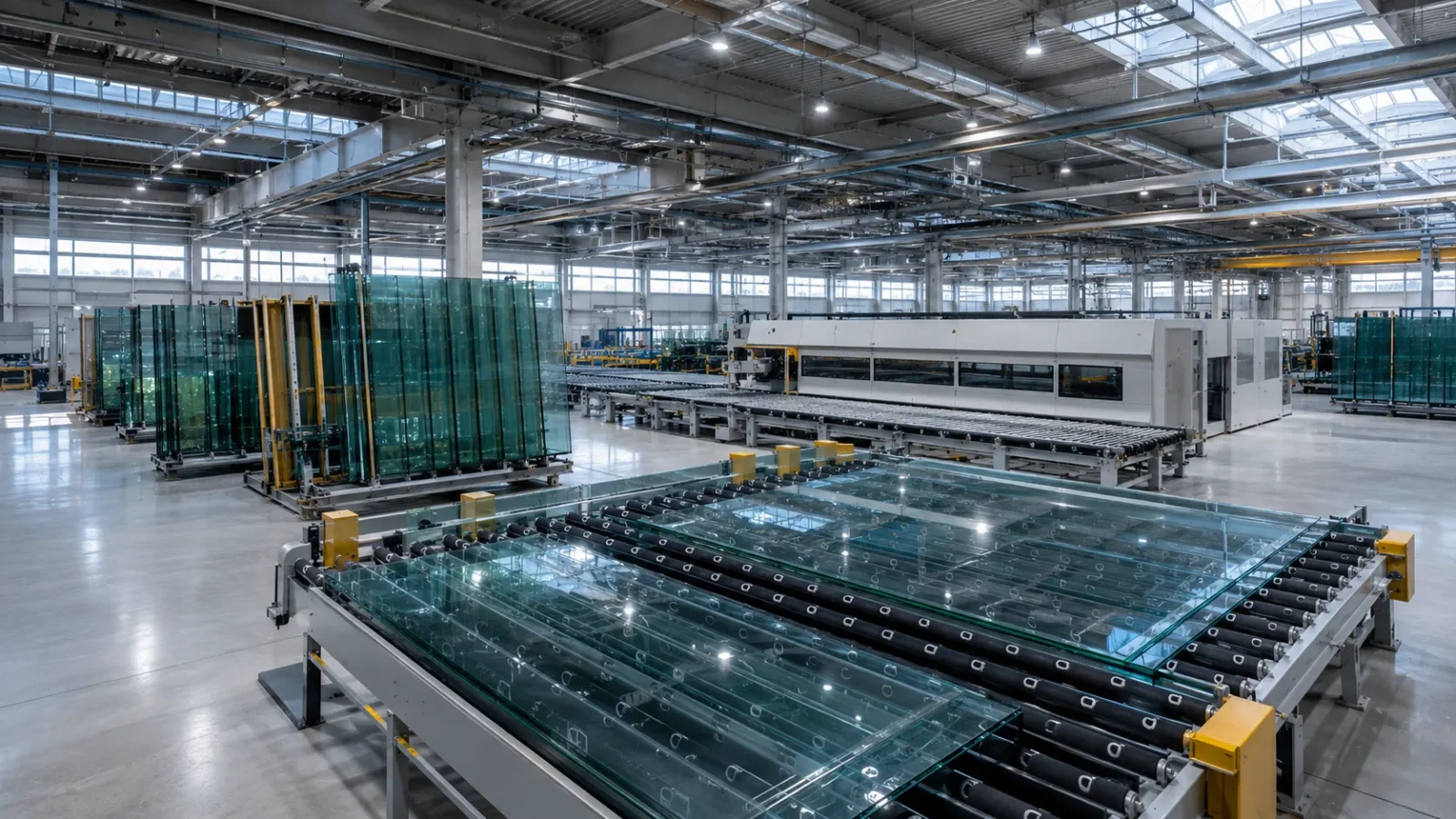
Low-E coated glass processing is an important part of modern architectural glazing. Low-E glass is widely used in energy-efficient windows, curtain walls, facades, doors and insulated glass units because it helps improve thermal performance while maintaining daylight transmission and building appearance.
Barrett Limited provides Low-E coated glass processing support for architectural and commercial glazing projects. Low-E coated glass can be combined with Low-E glass, insulated glass, reflective glass, tempered glass and laminated glass according to project performance requirements, glass structure and installation system.
What Is Low-E Coated Glass Processing?
Low-E coated glass processing refers to the handling, cutting, washing, edge deletion, tempering compatibility review, insulated glass assembly and quality control of glass with low-emissivity coating. The coating is designed to control heat transfer through the glass and improve building energy performance.
Compared with ordinary clear glass, Low-E coated glass requires more careful processing because the coating surface may be sensitive to scratching, incorrect washing, wrong coating orientation or unsuitable storage conditions. Correct processing helps maintain coating performance, visual appearance and long-term glazing quality.
Low-E Coated Glass Processing Workflow
A stable Low-E coated glass processing workflow helps reduce coating damage, visual defects and insulated glass unit failure. The process should be planned according to the coating type, glass structure and final application.
- Project review: Confirm glass size, coating type, coating position, glass structure, application, energy requirement and installation direction.
- Coated glass selection: Select suitable Low-E coated glass or reflective coated glass according to thermal, solar and appearance requirements.
- Cutting: Cut coated glass to size with attention to coating surface protection and visible side requirements.
- Edge deletion: Remove coating at the glass edge when required for insulated glass unit sealing performance.
- Washing and handling: Clean coated glass with suitable equipment and avoid coating damage or residue.
- Tempering or further processing: Process temperable Low-E glass when heat treatment is required and coating type allows it.
- IGU assembly: Assemble coated glass into insulated glass units with correct coating position and spacer system.
- Inspection: Check coating surface, edge deletion quality, glass size, visual appearance, seal quality and project labels.
- Packing: Pack the finished glass units safely with protection, separators and export wooden crates when required.
Common Low-E and Coated Glass Structures
Low-E coated glass can be used in different glass structures according to project needs. The final structure should be selected according to thermal insulation, solar control, safety, acoustic performance and exterior appearance.
- Single Low-E glass: Used in selected interior or project-specific glazing applications.
- Low-E insulated glass: Commonly used for energy-efficient windows, facades and curtain walls.
- Tempered Low-E glass: Used when strength and safety are required, depending on coating compatibility.
- Laminated Low-E glass: Used when safety, acoustic control or post-breakage retention is required.
- Reflective coated glass: Used for solar control and exterior architectural appearance.
- Low-E laminated insulated glass: Used for higher-performance building envelope projects.
Suitable Glass Products
Low-E coated glass processing is closely related to several architectural glass products. These products can be combined according to the required energy performance, safety and appearance.
- Low-E Glass for energy-efficient architectural glazing
- Insulated Glass for windows, facades and building envelope systems
- Reflective Glass for solar control and exterior appearance
- Tempered Glass for safety and strength where compatible coated glass is used
- Laminated Glass for safety, acoustic control and post-breakage retention
- Low Iron Glass for premium glazing projects requiring clearer appearance
Common Applications
Low-E coated glass is widely used in building projects where energy performance, daylighting and appearance are important. It is especially common in insulated glass units for windows and facades.
- Architectural Window Glass for residential, commercial and public building windows
- Architectural Facade Glass and Curtain Wall Glass for exterior building envelope systems
- Energy-efficient glazing for office buildings, hotels, apartments and public buildings
- Double glazing and triple glazing projects
- Low-E insulated glass units for window and door systems
- Reflective coated glass for solar control and facade appearance
Key Processing Requirements
Low-E coated glass processing requires careful control of coating surface, edge deletion, coating position, washing quality, seal compatibility and final inspection. Incorrect processing may affect visual quality, energy performance or insulated glass durability.
| Processing Item | Coated glass cutting, edge deletion, washing, handling, tempering compatibility review, IGU assembly, inspection and packing |
|---|---|
| Common Structures | Low-E glass, Low-E insulated glass, tempered Low-E glass, laminated Low-E glass and reflective coated glass |
| Important Details | Coating position, coating surface protection, edge deletion quality, spacer system, sealant compatibility and visual inspection |
| Common Applications | Windows, curtain walls, facades, doors, skylights, commercial buildings and energy-efficient architectural glazing |
| Project Information Needed | Drawings, glass size, glass structure, coating requirement, coating position, performance target, quantity and packing details |
Coating Position and Orientation
Coating position is one of the most important details in Low-E coated glass processing. In insulated glass units, the Low-E coating is usually placed on a specific glass surface according to the required thermal and solar performance.
Before production, the coating surface, installation direction, cavity position and glass structure should be confirmed. Incorrect coating orientation may reduce energy performance or affect the final appearance of the glazing system.
Edge Deletion for Low-E Insulated Glass
Edge deletion is commonly required when Low-E coated glass is used in insulated glass units. It removes the coating from the edge area so that the sealant can bond properly with the glass surface.
Good edge deletion helps improve sealing performance and reduce the risk of edge-related IGU failure. The edge deletion width should match the spacer, sealant and project specification requirements.
Coated Glass Handling and Washing
Low-E coated glass should be handled carefully to avoid scratches, coating stains, fingerprints, corrosion or surface damage. Proper handling, clean storage and suitable washing equipment are important for maintaining coating quality.
During washing, the process should remove dust, oil and particles without damaging the coated surface. Coated glass should also be inspected under suitable lighting conditions to identify scratches, stains or visual defects before final assembly.
Tempering Compatibility of Low-E Glass
Not all Low-E coated glass can be tempered. If the project requires tempered Low-E glass, a temperable Low-E coating should be selected before production. The coating type and processing route should be confirmed early in the project.
For tempered glass applications, all cutting, edge processing, holes and notches must be completed before heat treatment. Tempering parameters should be adjusted according to glass thickness, coating type and project requirements.
Low-E Insulated Glass Unit Assembly
Low-E coated glass is commonly assembled into insulated glass units to improve energy performance. In IGU production, coating position, edge deletion, spacer width, sealant quality and gas filling should be controlled carefully.
For more details about IGU production, see Insulated Glass Unit Manufacturing. Low-E insulated glass is widely used in windows, curtain walls, facades and high-performance building envelope systems.
Reflective Coated Glass Processing
Reflective glass is another important coated glass type used for solar control and exterior appearance. It can reduce glare, create a reflective facade effect and support building design requirements.
Reflective coated glass processing also requires attention to coating surface, cutting direction, washing, visual consistency and coating orientation. For facade projects, color consistency and batch control should be reviewed before production.
Quality Control for Low-E Coated Glass Processing
Quality control for Low-E coated glass processing focuses on coating surface condition, scratches, stains, edge deletion quality, glass size, coating position, spacer alignment, seal quality, visual appearance and packing safety.
For project orders, each glass unit should match the glass schedule, drawing number, installation area and coating orientation requirements. Clear labeling can help avoid wrong installation direction during site installation.
Related Glass Processing Services
Low-E coated glass processing is often combined with other glass processing steps. The following pages may also be useful for project planning:
- Glass Cutting and Edge Processing
- Tempered Glass Processing
- Laminated Glass Processing
- Insulated Glass Unit Manufacturing
- Glass Quality Control
Related Product Options
The following glass products are commonly related to Low-E coated glass processing:
Frequently Asked Questions
What is Low-E coated glass processing?
Low-E coated glass processing includes cutting, handling, washing, edge deletion, coating position control, insulated glass assembly and quality inspection for glass with low-emissivity coating.
Why is edge deletion needed for Low-E insulated glass?
Edge deletion removes coating from the glass edge area so the sealant can bond properly with the glass surface. This helps improve insulated glass sealing performance.
Can Low-E glass be tempered?
Only temperable Low-E glass can be tempered. If the project requires tempered Low-E glass, the coating type and tempering compatibility should be confirmed before production.
Where is Low-E coated glass commonly used?
Low-E coated glass is commonly used in architectural windows, facades, curtain walls, doors, skylights and insulated glass units for energy-efficient building projects.
What information is needed for Low-E coated glass production?
Please provide drawings, glass size, glass structure, coating requirement, coating position, performance target, application, quantity and packing details.
Request Custom Low-E Coated Glass Processing
If your project requires Low-E coated glass processing, send us your drawings, glass size, structure, coating requirement, coating position, performance target and packing details. Barrett Limited can help review the specifications and suggest suitable Low-E glass, reflective glass or insulated glass options for windows, facades and energy-efficient architectural glazing projects.