
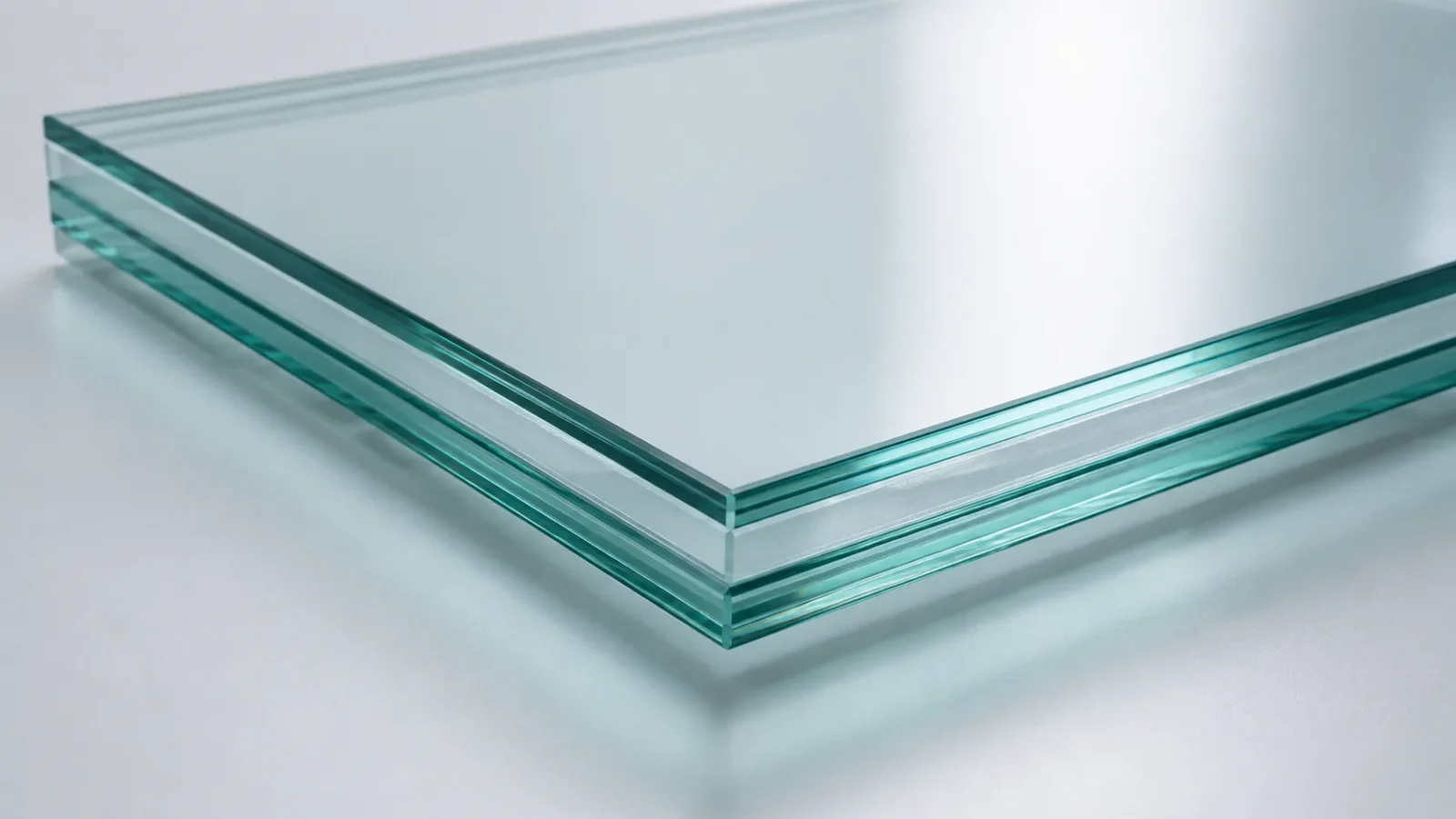
Safety glass is designed to reduce injury risk when glass is broken or impacted. In architectural projects, safety glass is widely used for doors, windows, shower enclosures, railings, partitions, facades, skylights, canopies, pool fencing, and other areas where people may come into contact with glass.
The most common types of safety glass include tempered glass, laminated glass, tempered laminated glass, wired glass, security glass, and bullet-resistant glass systems. Each type has a different structure, breakage behavior, and application.
What Is Safety Glass?
Safety glass is not one single product. It is a group of glass products designed to improve safety compared with ordinary annealed glass. Some safety glass breaks into smaller particles. Some safety glass holds broken pieces together with an interlayer. Some security glass is designed for higher impact or protective performance.
For B2B buyers, choosing the right safety glass depends on the application, building code requirements, glass size, installation method, hardware system, and expected risk level.
Main Types of Safety Glass
The main types of safety glass include:
- Tempered glass: Heat-treated glass with higher strength and safer breakage behavior.
- Laminated glass: Glass bonded with an interlayer that helps hold broken glass together.
- Tempered laminated glass: A combination of tempered glass strength and laminated glass retention.
- Wired glass: Glass with embedded wire mesh for specific traditional or fire-rated applications.
- Security glass: Glass designed for forced-entry resistance, impact resistance, or protective glazing.
- Ballistic glass: A tested multi-layer system designed for bullet-resistant applications.
Is Tempered Glass Safety Glass?
Yes. Tempered glass is one of the most common safety glass products. It is stronger than ordinary annealed glass and usually breaks into small granular fragments instead of long sharp shards.
Tempered glass is commonly used for shower doors, glass doors, partitions, tabletops, commercial glazing, shopfronts, and many interior glass applications.
Is Laminated Glass Safety Glass?
Yes. Laminated glass is also safety glass. It is made by bonding two or more glass layers with an interlayer. When laminated glass breaks, the interlayer helps hold the broken pieces together and reduces the risk of falling glass.
Laminated glass is commonly used for railings, balustrades, skylights, canopies, floors, facades, sound control glazing, and safety-critical areas.
Safety Glass for Building Applications
Safety glass is often required in hazardous locations, impact-prone areas, doors, sidelites, shower enclosures, railings, and other building applications. For building code reference, the International Code Council provides glass and glazing requirements in Chapter 24 of the International Building Code. See ICC Chapter 24: Glass and Glazing.
Project requirements may vary by country, region, building type, and installation location. Buyers should confirm local code requirements before ordering safety glass.
Safety Glass for Railings and Balustrades
Glass railings and balustrades usually require strong safety glass with post-breakage retention. Tempered laminated glass is often selected because it combines the strength of tempered glass with the safety retention of laminated glass.
For high-end railing projects, buyers may choose low iron tempered laminated glass for better clarity and a less greenish edge appearance.
Safety Glass for Shower Doors and Partitions
Shower doors and bathroom partitions commonly use tempered glass. Clear tempered glass, frosted glass, acid etched glass, and patterned privacy glass can all be used depending on the design and privacy requirement.
For office partitions and commercial interiors, laminated glass may also be used when acoustic control, privacy, or added safety is required.
Safety Glass vs Security Glass
Safety glass and security glass are related, but they are not the same. Safety glass mainly reduces injury risk caused by accidental breakage. Security glass is designed for higher risk conditions, such as forced entry, vandalism, blast, or ballistic impact.
For example, tempered glass is safety glass, but it is not bulletproof. Ordinary laminated glass is safer than annealed glass, but it should not be described as ballistic glass unless it has been tested for that purpose.
How to Choose Safety Glass
Before choosing safety glass, buyers should confirm:
- Application: door, window, railing, shower, facade, canopy, partition, or skylight
- Glass size and thickness
- Whether lamination is required
- Whether post-breakage retention is important
- Hardware and installation method
- Privacy, acoustic, or solar control requirements
- Local building code or project standard
Barrett Limited Safety Glass Supply
Barrett Limited supplies custom safety glass for architectural and construction projects, including tempered glass, laminated glass, tempered laminated glass, shower glass, railing glass, facade glass, partition glass, and custom processed glass.
We support international buyers with glass size customization, edge processing, drilling, lamination, quality control, export packaging, and project-based supply.
FAQ About Safety Glass
What is the most common safety glass?
Tempered glass and laminated glass are two of the most common safety glass products.
Is tempered glass better than laminated glass?
It depends on the application. Tempered glass has higher strength, while laminated glass provides post-breakage retention.
What safety glass is used for railings?
Tempered laminated glass is commonly used for railings, balustrades, staircases, and pool fencing.